We will reopen 10/11/24 if we are able. For all Medical Emergencies please call 911

Restorative Pain Medicine Physicians
Pain Medicine – Anesthesiology – Board Certified
We will reopen 10/11/24 if we are able. For all Medical Emergencies please call 911
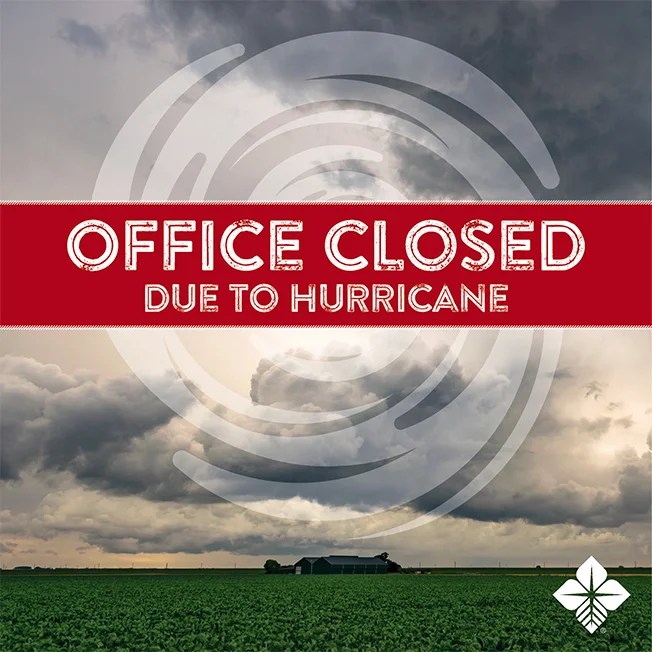
Our office will be closed Thursday, September 26, 2024 due to Hurricane. We will reopen at 8:00 am on Friday, September 27, 2024 weather permitting.
Please Stay Safe!

We would like to wish our Nurse Practitioner Angie Hay all the best on her new adventure. It has been a real pleasure working with her for the last 5 years.
Good luck, and you’ll be missed!

Being able to tell a provider what medications you or a loved one take could be a life-saver
Why medications matter………
Medications—both over-the-counter and by prescription—can make a big difference in how we feel from day to day.
Whether you take a few vitamins, but especially if you take several pills regularly, you are the one who knows best what you take and how you feel when you do—or don’t take them.
Have you ever been in the doctor’s office and heard the question “What medications are you taking?” You might think, “Why are they asking? Isn’t that in my medical record?”
More than likely the list of medicines is in your record. But the medical assistant or doctor isn’t asking the question to annoy you. It’s because they want to be sure—for the sake of your health—that the record is accurate and that nothing has changed.
This is particularly important in an emergency. The following describes a difficult scenario that can unfold in an urgent healthcare setting.
“We’ve had patients who are very ill come in with no family with them and share with us only a small amount of information about the medicines they take…something like, ‘I take a little pink pill in the morning and a blood thinner,’”
Depending on the situation that “bare minimum” information isn’t nearly enough for the healthcare professionals caring for a patient to feel comfortable taking the next steps.
“Unless a patient or a close loved one provides the information, it can take several phone calls to pharmacies and medical offices to come up with a complete list.” “Most importantly, the time spent on tracking down medications can delay urgently needed medical care.”
In the medical world, the problem of not knowing all of a patient’s medications can be complicated. Here’s why:
In short, there’s no easy way for healthcare providers to know your exact medications with full certainty—unless you tell them.
Until there are better ways, in our everyday world, one solution is simple. Make a list of all medications you take and help your loved ones do the same. This medication list will be a valuable safety tool for you and your providers.
It can prevent errors, such as missing medications or doubling up on the same or similar medication. It can also prevent dosing mistakes (too much or too little) and negative interactions between two or more medications.
Keeping an accurate record can help ensure you avoid serious complications, admission to the hospital or even death. It serves as a critical lifeline.
It’s important for your medication list to fully reflect everything you take. “Medications” include:
Your list should also include the following information:
Keep the list handy. We recommend keeping a copy of it in a purse or wallet. You should even keep a copy with a family member or on the refrigerator, or store it using a computer program or phone app. Do what you can to make sure it can be found in case of emergency.
It’s important to keep the list updated. Please ensure that the list you carry with you is accurate at all times.
Make sure to change your list each time you start or stop taking a medication. If you are uncertain about what to include on your list, ask a pharmacist or primary care provider to assist you in filling out your list or understanding why you’re taking a particular medication. Your Pharmacy can also provide you with a print-out of your current medications.
If you’re a caregiver for someone else or have a family member who is unable to create and maintain a medication list, step in to help. Elderly patients who take multiple medications are particularly at risk for dangerous medication errors.
Armed with your handy, complete and accurate medication list, you can protect yourself from medication-related harm. It can save your life!” And you’ll feel better.
We will take any excuse to eat cake!
Join us in celebrating our Practice Manager, Anne on her Birthday!

 Restorative Pain Medicine Physicians